
Was your child’s cerebral palsy caused by negligence at birth?
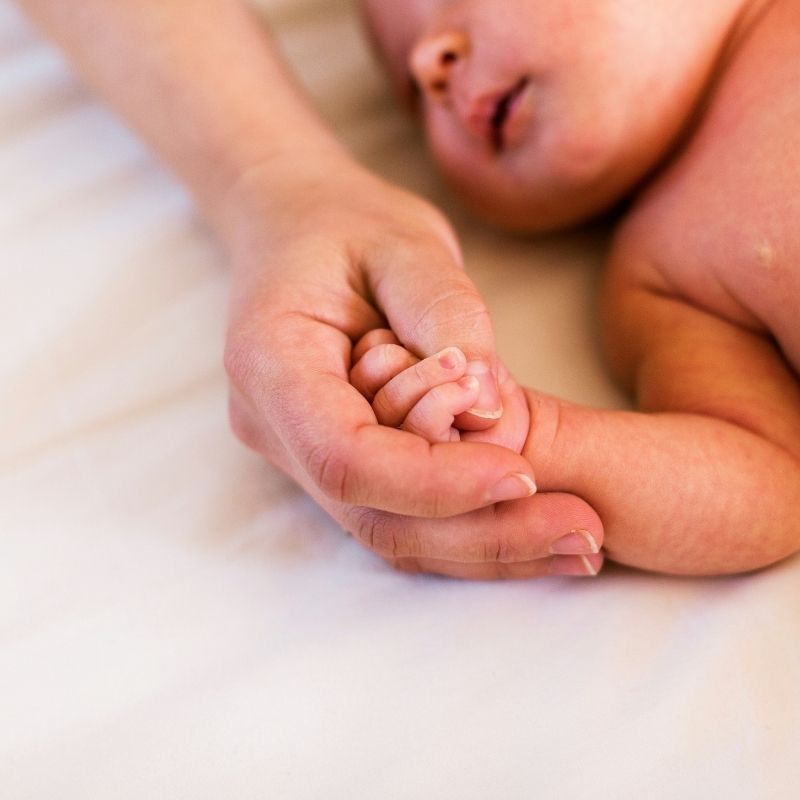
When a child is diagnosed with cerebral palsy, one of the first questions a parent asks is: did this have to happen? It is a painful question, and an important one. The honest answer is that sometimes cerebral palsy is nobody’s fault, and sometimes it is the result of negligence during labour or birth. Telling the two apart is what a birth injury claim is really about.
What cerebral palsy is, and what causes it
Cerebral palsy is a group of lifelong conditions that affect movement, posture and coordination. It is caused by damage to the developing brain, often around the time of birth. There are several possible causes. Some are genetic or related to infection or problems in pregnancy, and these are not anyone’s fault. But in some cases the brain damage is caused by a lack of oxygen during labour and delivery, and that is where negligence can come in.
When negligence may be involved
During labour, the baby and mother are supposed to be monitored closely. The warning signs that a baby is in distress are usually visible to properly trained staff who are paying attention. A claim arises where those signs were there to be seen, and the care fell short. Common examples include:
- Failing to monitor the baby properly, for example not watching the baby’s heart rate during labour, or not acting on a tracing that showed distress.
- Delaying an emergency caesarean section when the signs called for one, so that oxygen deprivation continued longer than it should have.
- Mismanaging a difficult delivery, or failing to escalate to a doctor when a situation needed one.
Where oxygen deprivation at birth was avoidable and was not avoided, the resulting brain injury may be the basis of a claim.
The hard part: proving causation
A birth injury claim turns on two things. First, that the care fell below a reasonable standard. Second, and this is usually the real battleground, that this failure actually caused the child’s cerebral palsy.
Hospitals often argue that the damage happened before labour, or came from a cause that no amount of good care could have prevented. Answering that argument takes detailed expert evidence, from fields such as obstetrics, neonatal care and the reading of brain scans, pieced together with the hospital records. This is why these cases are built slowly and carefully, and why the records matter so much. The monitoring traces, the notes from labour and the timeline of what happened when are often what decide the case.
Time works differently for a child
Many parents assume that because years have passed since the birth, it is too late. For a child, that is usually not the case. Prescription, the time limit that applies to most claims, does not run against a child in the ordinary way, so a claim on behalf of a child can often be brought well after the birth.
That said, evidence does not keep forever. Records can be lost and memories fade, so the sooner the matter is assessed, the stronger the claim is likely to be.
What a claim can cover
Cerebral palsy claims are among the largest in our law, for a simple reason: the child often needs care, therapy, equipment and support for the rest of their life. A successful claim can cover past and future medical and care costs, the child’s loss of earning capacity, and general damages for the harm itself. Where the claim is against the State, how those future costs are paid has been the subject of recent litigation, something we have written about separately.
What to do if you are wondering
If you suspect something went wrong at your child’s birth, the first practical step is simply to have it looked at. That means obtaining the hospital records and having them reviewed by people who know what they are looking for. You are not committing to anything by asking the question, and asking it is the only way to get an honest answer.
Tzvi Brivik (Author)
Director at Malcolm Lyons & Brivik Attorneys Inc.
Malcolm Lyons & Brivik has acted for families in medical negligence and birth injury claims for decades, including cerebral palsy claims against provincial health departments. If you believe your child was harmed at birth, contact us for an assessment.
Telephone:
Cape Town Office:
Telephone: +27 (0) 21 425-5570
E-mail: [email protected]
Johannesburg Office:
Telephone: +27 (0) 11 268 6697
Email: [email protected]
Contact form:
Related Posts



Was your child’s cerebral palsy caused by negligence at birth?
When a child is diagnosed with cerebral[...]

Did your doctor really have your consent? Why a signature is not enough.
When people think of medical negligence, they[...]

Injured as a passenger? The Road Accident Fund still owes you.
Millions of South Africans travel every day[...]